

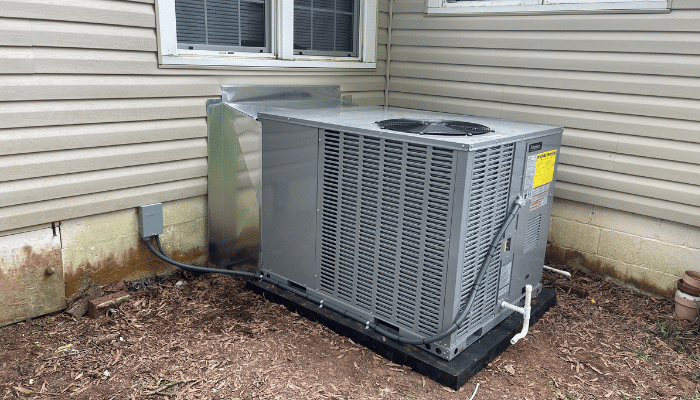
In Central and North Alabama, high humidity forces an HVAC system to perform a "double workload." It must remove moisture from the air before it can effectively lower the temperature. This process consumes significant energy and, if not managed correctly, can lead to higher utility bills, poor indoor air quality, and shortened equipment life.
Living in Alabama, we often experience "air you can wear." While most homeowners in Pinson, Kimberly, and Clay assume their AC is only there to change the temperature, its primary job in the South is actually dehumidification.
The "Hidden Workload": Why Moisture Costs You Money
Your air conditioner cools your home by blowing warm air over a cold evaporator coil. As the air cools, moisture condenses into liquid (like sweat on a cold soda can) and drains away.
- The Energy Drain: In high-humidity areas like Leeds or Fultondale, a system may spend nearly half of its energy just pulling water out of the air.
- The "Clammy" Effect: If a system is oversized or poorly calibrated, it will "short cycle"—cooling the room quickly and then shutting off before it has a chance to remove the humidity. This leaves the home feeling cold but "sticky."
Humidity-Related Challenges for Alabama Systems
| The Issue | Impact on Your HVAC | The Technical Solution |
|---|---|---|
| Drain Line Clogs | Sludge thrives in humid lines, leading to water backups. | Regular proactive clearing of condensate drains. |
| Component Corrosion | Constant moisture can accelerate rust on coils and electrical parts. | Consistent preventative maintenance and inspections. |
| Microbial Growth | Indoor humidity above 60% promotes growth in ductwork. | Enhanced filtration and proper system sizing. |
| Motor Strain | Systems must run longer cycles to try and dry out the air. | High-efficiency variable speed technology. |
The Technology Factor: Single-Stage vs. Variable Speed
Homeowners in Margaret, Argo, and Mount Olive typically choose between two types of technology to handle the Alabama climate:
- Single-Stage Systems: These operate like a light switch (either 100% on or 100% off). While they are reliable workhorses, they often struggle with humidity on "mild but muggy" days because they don't stay on long enough to dry the air.
- Variable Speed Technology: This functions like cruise control, running at lower speeds for longer periods. By moving air across the cooling coil more slowly, the system can pull significantly more moisture out of the home while using less electricity.
The Maintenance Connection
Humidity doesn't just affect efficiency; it can lead to sudden shutdowns. A stopped-up drain line or a frozen coil (often caused by restricted airflow) can create an emergency in the middle of a Birmingham summer. When evaluating a contractor, ensure they have the Active Fleet Capacity to reach your home quickly—whether you are in Morris, Brookside, or Trussville—to prevent moisture-related issues from causing secondary damage.
FAQs
For maximum comfort and to prevent mold growth, health experts and HVAC manufacturers generally recommend maintaining indoor humidity between 45% and 55%. If your home is consistently above 60%, your system is likely struggling with the local climate.
Yes. A dirty filter restricts airflow, which makes it harder for the system to remove moisture. In some cases, low airflow causes the coil to get too cold and "freeze over," which stops the dehumidification process entirely.
This is often a sign that the system is either low on refrigerant, the coils are dirty, or the system is simply reaching the end of its efficient lifespan. In the Deep South, a system that cannot keep humidity under control is usually costing more in electricity than a properly functioning unit.