

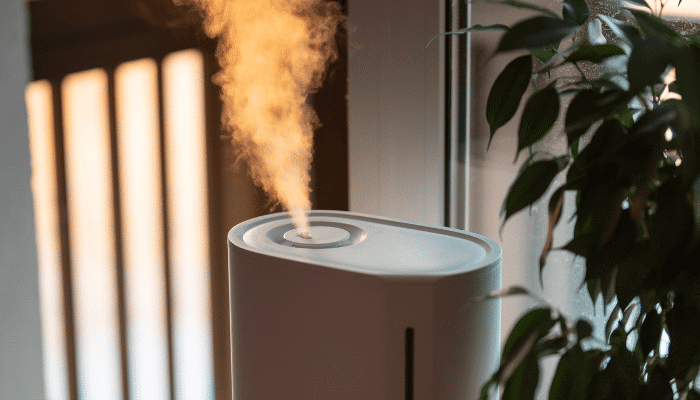
While outdoor pollution often gets the headlines, indoor air is frequently two to five times more polluted than the air outside. In the humid climate of Central and North Alabama, maintaining air quality isn't just about comfort—it's about managing humidity, neutralizing allergens, and ensuring your HVAC system isn't circulating microscopic threats through your home.
We spend approximately 90% of our lives indoors. For families in Kimberly, Morris, and Fultondale, the air moving through your duct is a primary factor in your daily health. Understanding the difference between basic filtration and active purification is the first step in deciding how to treat your home’s air.
The Three Main Threats to Indoor Air in Alabama
Particulates (Pollen and Dust)
Central Alabama’s "pollen blankets" are a major external threat that quickly becomes an internal one.
- The Reality: Standard 1-inch filters are designed to protect your HVAC equipment from large dust bunnies, not to protect your lungs from fine pollen or pet dander.
- The Solution: High-efficiency filtration (like MERV 11+) is required to catch the microscopic particles that typically pass right through a basic filter.
Biologicals (Microbial Growth)
Relentless humidity makes Alabama HVAC systems a natural breeding ground for moisture.
- The Reality: If moisture isn't managed, it can lead to growth on the evaporator coil or inside the ductwork, often identified by a "musty" smell.
- The Solution: UV Germicidal lights and variable-speed technology work together to keep the internal components dry and sterile.
Volatile Organic Compounds (VOCs)
Modern homes are built to be airtight for energy efficiency, which can trap chemical gases (VOCs).
- The Reality: VOCs are released by everyday items like cleaning supplies, new furniture, and flooring. In a tightly sealed home in Gadsden, these gases can reach concentrations that cause headaches or fatigue.
The Solution: Whole-home purifiers use ionized technology to neutralize these chemical vapors at a molecular level.
The IAQ Defense Strategy: Comparing Your Options
| The Technology | How It Functions | The Primary Benefit |
|---|---|---|
| Whole-Home Purifiers | Uses ionization to clump particles together or "zap" VOCs. | Neutralizes odors, viruses, and chemical gases. |
| MERV 11+ Filtration | High-density pleated material catches smaller particles. | Captures pet dander, mold spores, and fine pollen. |
| UV Germicidal Lights | Destroys the DNA of microbes on the HVAC coil. | Prevents growth at the source of the moisture. |
| Variable Speed Blowers | Runs longer, slower cycles to dehumidify the air. | Maintains indoor humidity between 45% and 55%. |
Neutral Truth: Filtration Standards and System Health
A common question from homeowners in Hoover or Vestavia is whether they should simply buy the "thickest" filter available at a big-box store.
- The Airflow Trade-off: High-MERV filters are denser and harder for air to pass through. If your HVAC blower motor wasn't designed for that level of restriction, a "better" filter can actually cause your system to freeze up or fail prematurely.
- The Professional Standard: A quality HVAC evaluation should include a "breathability" assessment. This ensures that the filtration level you choose—whether it’s MERV 11 or higher—is perfectly balanced with the airflow your specific equipment needs to stay healthy.
Response Capacity and IAQ Emergencies
IAQ issues, especially those involving moisture or a sudden burning smell from the system, require immediate attention to prevent secondary damage to your home. When choosing a partner in Huntsville, Leeds, or Trussville, always ask about their Active Fleet Capacity. A company with a "Real 24/7" standard ensures that a technician is available to address an equipment failure before it compromises your home’s air quality.
Give us a call 205-206-6091 or message us online.
Visible signs include heavy dust buildup within days of cleaning or musty odors when the system turns on. Physical signs often include frequent sneezing, dry eyes, or headaches that only occur when you are inside your home.
Portable units are effective for a single room, but they cannot treat the air in your entire home. A whole-home system is integrated into your ductwork, treating every cubic foot of air as it cycles through the central unit.
This is often a humidity issue. If your system is cooling too quickly and not staying on long enough to remove moisture, the air will feel heavy. This is why proper system sizing and dehumidification technology are as important as the filter itself.