

If your AC is running but not cooling, the most common causes are a dirty air filter restricting airflow, a refrigerant leak, a faulty thermostat, a dirty outdoor condenser, or an aging system past its prime. Start by replacing the filter and clearing debris from the outdoor unit — that resolves many cases. If the home still won't cool after those steps, or you notice hissing, ice on the refrigerant lines, or strange noises, it's time to have a technician diagnose it.
When your AC kicks in on a hot summer day in Birmingham, you expect cool relief. When half an hour goes by and your home is still warm, you know something is wrong. It's confusing and frustrating when your AC is running but not cooling — and we're here to help.
This guide blends professional expertise with practical DIY tips for the most common AC problems, so you can save time, money, and sweat before picking up the phone.
Common Causes of Inefficient Cooling
Inefficient cooling is a common problem, and there's rarely one single culprit. It could be something as simple as a clogged filter or a sign of a more serious internal issue.
The filter may be dirty. Air filters should be cleaned and replaced at least every 90 days. A dirty filter restricts airflow and strains the blower, so the system struggles to hold temperature and creates hot and cold spots across your home.
There may be a refrigerant leak. With low refrigerant or a leak, you might notice a hissing sound, higher indoor humidity, or frozen evaporator coils. A leak makes the system run longer cycles and drives up utility costs without actually cooling the home.
The thermostat may be faulty. If your thermostat needs new batteries or recalibration, it can miscommunicate with the AC — leading to incorrect temperatures, frequent cycling, and higher bills.
The equipment may be aging. With proper maintenance, an air conditioner can last 15–20 years. After years of wear, a unit loses efficiency and won't cool the way it used to. In an older system, persistent inefficiency is often a sign it's near the end of its life — the point where it's worth weighing an AC repair against replacing the system.
One more possibility worth ruling out: the system may simply be the wrong size for your home. An undersized unit can run constantly and still never quite catch up on the hottest days.
AC Troubleshooting Tips You Can Try First
Before calling a professional, a few DIY steps can rule out the obvious causes.
Clean or replace the air filter. A clogged filter restricts airflow through the AC system and makes it work harder. Find the filter in the return air duct or near the air handler, slide out the old one, and insert a new one oriented to the airflow arrows.
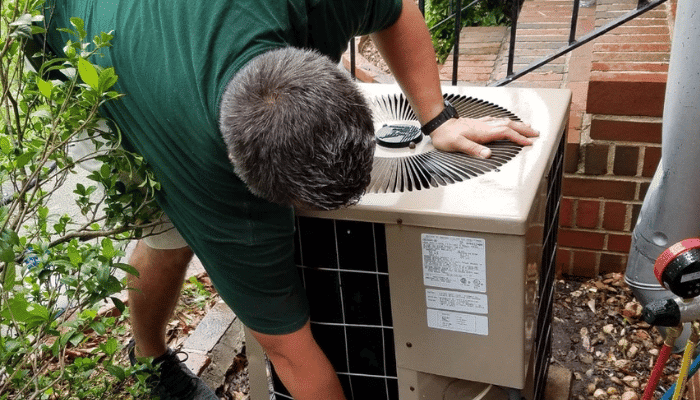
Inspect and clean the outdoor condenser. The condenser expels heat, and dirt or debris insulates it and cuts efficiency. Clear away leaves and debris, then gently clean the fins with a soft brush or garden hose — never high-pressure water, which bends the fins.
Look for signs of a refrigerant leak. Check for oil stains or a hissing noise around the unit. Refrigerant is essential for cooling, but detecting and repairing a leak almost always requires a professional — it's not a DIY fix.
Test the thermostat. Make sure it's set to cooling mode and below the current room temperature. Replace the batteries if it's battery-powered, or check for loose connections if it's hardwired.
When to Call a Professional
After you've tried the DIY steps, some situations call for a technician. Reach out if:
- Your AC is still struggling to cool after troubleshooting.
- You notice strange smells or noises like grinding, hissing, or banging.
- You see signs of an electrical problem — tripped breakers, an unresponsive thermostat, or lights flickering when the AC starts.
- You suspect a refrigerant leak or see ice forming on the refrigerant lines.
Calling a licensed HVAC contractor isn't just about fixing the immediate problem — it's about protecting the longevity and efficiency of your system. Professionals bring diagnostic equipment and training that go beyond DIY maintenance, so they can catch hidden issues, handle electrical repairs safely, and give you straight advice on what's worth doing.
The Importance of Regular AC Maintenance
Regular preventative maintenance is the best way to keep your AC running efficiently. A tune-up typically includes cleaning coils, checking refrigerant levels, and tightening electrical connections — and it's the ideal time to catch small problems before they escalate into expensive ones.
Maintenance also improves your home's indoor air quality, since routine cleaning and filter changes keep dust and allergens from building up in the system. And it saves money over time: the more efficiently your system runs, the less energy it uses, and small adjustments during a visit can extend its lifespan and help you avoid an early replacement.
Scheduling an annual tune-up in early spring gets your AC ready for the brutal Alabama summer and heads off mid-season breakdowns, since technicians can spot and replace parts likely to fail before they leave you without cooling.
Don't Sweat Your AC's Efficiency - Call Our Team Today
Many "running but not cooling" problems are within your power to solve with the right information and a little elbow grease. When DIY doesn't do the trick, our HVAC experts are on standby 24/7 to diagnose and fix the problem fast.
For preventative maintenance or a last-minute repair, call Perfect Service at 205-206-6091 or contact us online to keep your AC efficient and your home comfortable.
Common Questions About an AC That Runs But Won't Cool
Usually it's a dirty air filter or dirty outdoor condenser restricting airflow, a refrigerant leak, a thermostat problem, or an aging system that's lost efficiency. Start with the filter and the outdoor unit, since those are the easiest to rule out.
Yes. A clogged filter restricts airflow enough to strain the blower, cause hot and cold spots, and even freeze the evaporator coil. Replacing it every 1–3 months is the single easiest fix.
A hiss combined with weak cooling, higher humidity, or ice on the lines often points to a refrigerant leak. That's not a DIY repair — a technician needs to find the leak, fix it, and recharge the system to the correct level.
If the system is 15–20 years old and losing efficiency despite maintenance, replacement is often the smarter long-term move. A technician can weigh the repair cost against the unit's age and remaining life and give you honest options.