

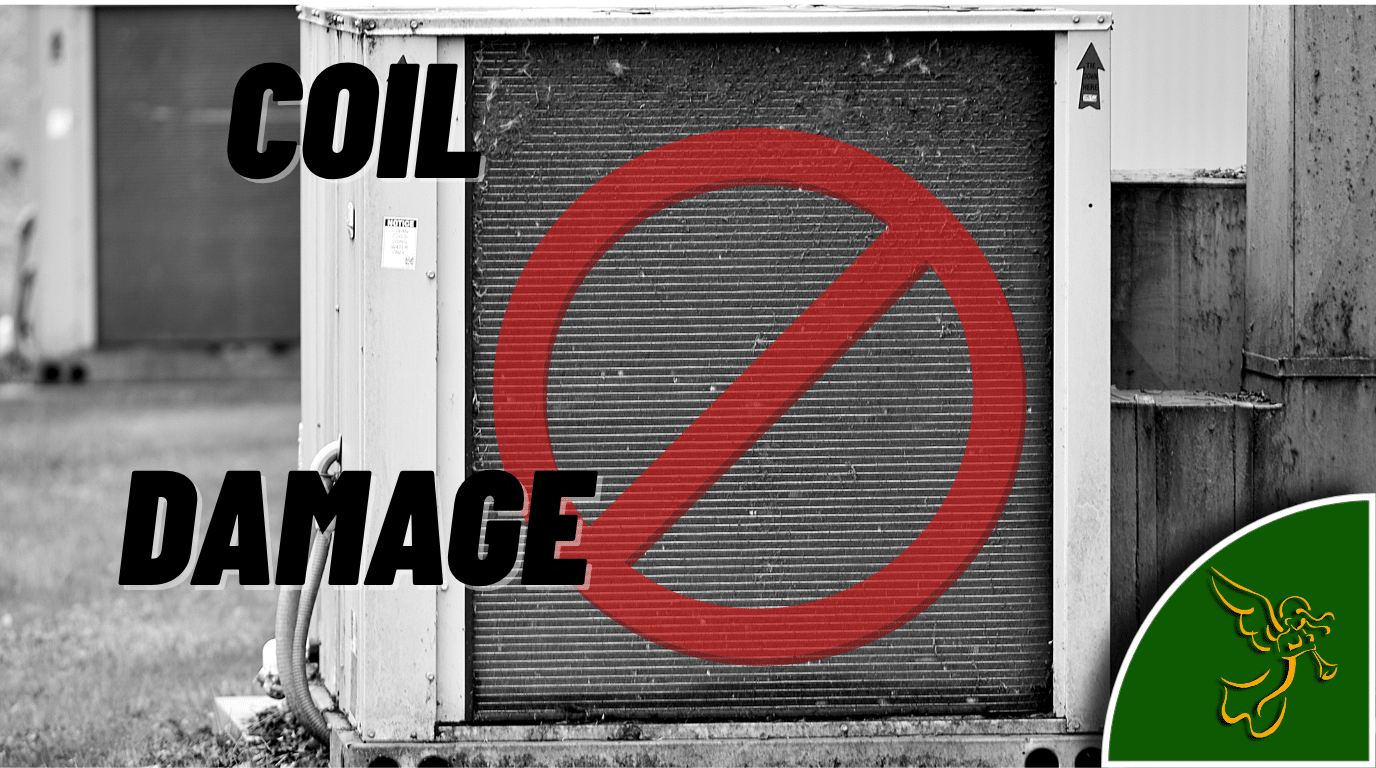
AC coil damage shows up as weak cooling, ice on the coil or refrigerant lines, hissing sounds, rising energy bills, or a refrigerant recharge that "doesn't last." The most common causes are formicary corrosion (which creates pinhole refrigerant leaks in the indoor coil), dirt and clogging, bent fins, and freeze damage. A dirty or fin-damaged coil is usually an affordable maintenance fix, but a leaking evaporator coil is a big-ticket repair — so catching it early gives you the most options.
When a homeowner’s AC stops cooling the way it should, one of the first places I look is the coils. They’re the parts that do the actual heat-moving work of your air conditioner, they’re surprisingly delicate, and they take a beating over a long Alabama cooling season. Coil damage is one of those problems that creeps up quietly — your bills climb, your cooling fades — until one day the system can’t keep up. Here’s what you need to know about it.
Your AC Has Two Coils
Most people don’t realize there are two of them, and they live in different places:
- The evaporator coil is indoors, usually sitting on top of or inside your furnace or air handler. This is the cold one — it absorbs heat and humidity from your home’s air.
- The condenser coil is outdoors, wrapped around the inside of that big unit beside your house. This is where all that captured heat gets dumped outside.
Refrigerant cycles between the two, carrying heat from inside to out. If either coil is damaged, that whole cycle suffers — and so does your comfort.
The Main Ways Coils Get Damaged
Corrosion and refrigerant leaks. This is the big one, and the most expensive. Over time, tiny pinhole leaks can develop in the evaporator coil through a process called formicary corrosion — chemicals and compounds in everyday indoor air slowly eat microscopic holes in the coil’s metal. The refrigerant escapes through those holes, and once that happens, the coil usually has to be replaced. Homeowners are often baffled by this one because nothing “happened” — the damage came from the inside out.
Dirt and clogging. Coils need clean surfaces and good airflow to transfer heat. When the indoor coil gets coated in dust (often from a neglected filter) or the outdoor coil gets packed with pollen, grass clippings, and dirt, they can’t shed or absorb heat efficiently. The system runs longer, costs more, and can even freeze up.
Bent or crushed fins. Those thin aluminum fins on the coils bend easily. On the outdoor unit, hail, flying debris, a string trimmer, or even an aggressive pressure-washing can flatten them, choking off the airflow the coil needs.
Freeze damage. When airflow or refrigerant gets too low, the indoor coil can freeze into a block of ice. Beyond stopping your cooling, repeated freezing and thawing stresses the coil and can shorten its life.
Coil Damage at a Glance
| Type of Damage | Common Cause | What You'll Notice | Typical Fix |
|---|---|---|---|
| Corrosion / refrigerant leak | Formicary corrosion from indoor air; age | Weak cooling, hissing, low refrigerant, ice | Coil replacement (big-ticket) |
| Dirty / clogged coil | Skipped maintenance, poor filtration, outdoor debris | Longer runtimes, higher bills, weak cooling | Professional coil cleaning |
| Bent / crushed fins | Hail, debris, string trimmers, pressure washing | Reduced airflow at the outdoor unit | Fin straightening |
| Freeze damage | Low airflow or low refrigerant causing ice | Ice on the coil or refrigerant lines | Fix the root cause, then inspect the coil |
Warning Signs to Watch For
- Your AC runs but the air isn’t as cold as it should be
- Ice or frost on the indoor coil or the refrigerant lines
- A hissing or bubbling sound (a possible refrigerant leak)
- Energy bills creeping up with no change in your habits
- A system that keeps running low on refrigerant — a recharge that “doesn’t last” almost always means a leak, often in the coil
That last one is worth underlining: if someone keeps adding refrigerant year after year, they’re not fixing anything. They’re topping off a leak, and the coil is a common source of it.
Why It Matters
A dirty or finned-up coil is usually a maintenance fix — affordable, and the kind of thing we catch on a routine visit. A leaking evaporator coil is a different animal. It’s one of the more expensive repairs on an air conditioner, because the part is costly and replacing it is laborintensive. On an older system, the price of a new coil can climb toward the cost of a new unit, which turns a coil problem into a bigger decision. The earlier it’s caught, the more options you have.
How to Protect Your Coils
The good news is that most coil trouble is preventable:
- Keep up with maintenance. Routine cleaning keeps both coils doing their job and catches small issues before they become leaks.
- Change your filter. It’s the cheapest protection there is for your indoor coil.
- Keep the outdoor unit clear. Trim back plants, keep grass clippings and leaves away from it, and be gentle around those fins.
- Don’t ignore ice. If your coil freezes, there’s a reason — get it diagnosed instead of just letting it thaw and repeating the cycle.
If your AC isn’t cooling like it used to, you’re seeing ice, or you’ve been topping off refrigerant every summer, call Perfect Service at 205-206-6091 . We’ll inspect the coils, find out what’s really going on, and give you honest options — whether that’s a simple cleaning or a straight answer about a leak. Catching coil damage early is one of the best ways to protect both your comfort and your wallet.
Common Questions About AC Coil Damage
Most often it’s formicary corrosion — chemicals in normal indoor air slowly create microscopic pinholes in the coil over time. Age contributes too. It’s frustrating because there’s no obvious event; the damage develops quietly from the inside.
It depends on the damage. A dirty or lightly fin-bent coil can usually be cleaned and straightened. But a coil that’s leaking refrigerant generally has to be replaced — there’s no reliable way to “clean” a leak away.
Refrigerant doesn’t get “used up” — a system that needs repeated recharging has a leak somewhere, and the coil is one of the most common spots. Topping it off treats the symptom; finding and fixing the leak treats the problem.
That comes down to the age and condition of your system. On a newer unit, replacing the coil can make good sense. On an older one, the cost may be high enough that a new, more efficient system is the smarter investment. We’ll lay out the real numbers either way.
Regular maintenance, frequent filter changes, keeping the outdoor unit clean and clear, and addressing any freezing promptly. Those few habits prevent the large majority of coil problems we see.