

Not every crawlspace moisture problem is about humidity in the air — sometimes water is actually getting in, whether from groundwater, poor grading around the foundation, or heavy Alabama rain. When that's what's happening, sealing the space alone isn't enough. You need somewhere for that water to go. Here's how to know if that's your situation.
Humidity Problem vs. Water Intrusion Problem
It's worth separating these two, because they call for different fixes. A humidity problem is damp air condensing inside the crawlspace — the kind of issue sealing and conditioning the space solves well on its own. A water intrusion problem is actual liquid water entering the crawlspace, which sealing alone won't stop; it needs somewhere to drain to and a way to get removed.
Signs You're Dealing With Real Water Intrusion
- Standing water or mud on the crawlspace floor, especially after rain
- Visible water stains or watermarks on the framing, piers, or foundation walls
- A musty smell that persists even after sealing and moisture control efforts
- The crawlspace is noticeably wetter after storms, not just humid on hot days
- Efflorescence — a white, chalky mineral residue on foundation walls, a sign water has been moving through the concrete
What Causes Water Intrusion
The most common causes are poor grading around the home (ground that slopes toward the foundation instead of away from it), gutters and downspouts that dump water too close to the house, a high water table in certain areas, and, less commonly, foundation cracks that let groundwater seep in.
The Fixes, in Order
We always start with the cheapest, most upstream fixes first:
Grading and gutters. If water is pooling near the foundation because of poor grading or downspouts dumping right at the house, redirecting that water away is often the biggest first step — and it's relatively inexpensive.
Interior drainage. For water that's still getting in despite exterior fixes, a drainage system inside the crawlspace channels water to a collection point instead of letting it sit and spread.
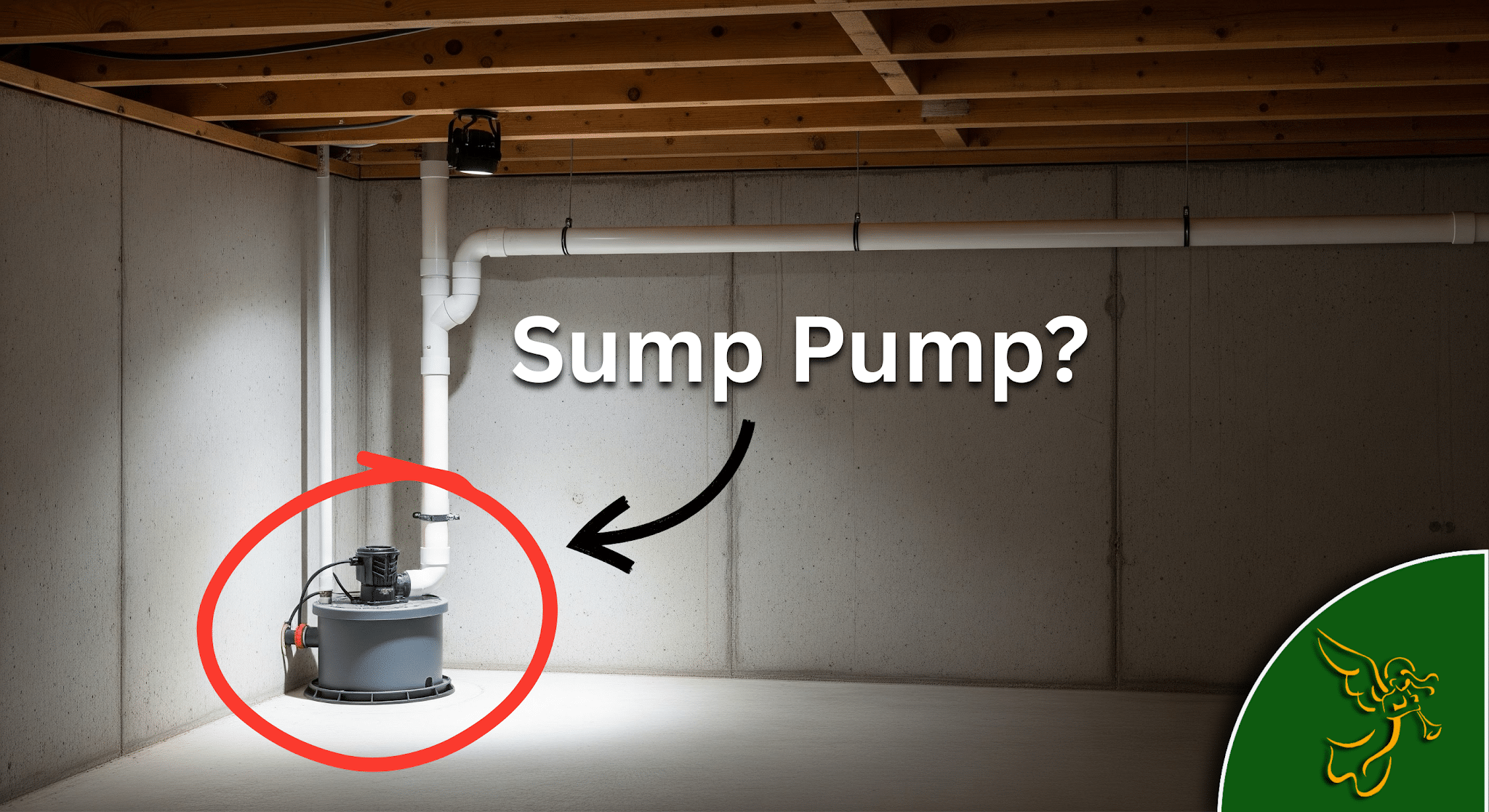
A sump pump. Once water is being properly channeled, a sump pump collects it and actively removes it from the crawlspace, keeping the space dry even during heavy rain.
Sealing the crawlspace with a vapor barrier is still valuable on top of all this, but if actual water is getting in, drainage and pumping have to be part of the plan — a vapor barrier alone just gives the water somewhere flat and enclosed to sit.
Why It's Worth Solving Properly
A crawlspace with real water intrusion, if left unaddressed, leads to the same downstream problems as chronic humidity — mold, wood rot, and structural concerns — just faster and more severely, since it's dealing with standing water rather than just damp air. Getting the actual water problem solved, not just papered over, protects the structure long-term.
If your crawlspace has standing water, stains, or a smell that won't quit, call Perfect Service at 205-206-6091 . We'll figure out whether you're dealing with humidity, water intrusion, or both, and build the right solution — starting with the simplest fix that actually solves it.
Common Questions About Crawlspace Drainage
If you're seeing standing water, mud, or watermarks — not just a musty smell or general dampness — that points to water intrusion, which usually needs drainage and possibly a pump, not just sealing.
Yes, often a bigger difference than people expect. A lot of crawlspace water problems start with water being directed toward the foundation instead of away from it, and fixing that at the source reduces what ever reaches the crawlspace.
Yes, and it's worth discussing a battery backup option, since the times you need it most — during heavy storms — are also when power outages are more likely.
It handles water that's already gotten in, but pairing it with grading fixes and a vapor barrier gives you a complete solution rather than just managing the symptom.
Yes — if a previously sealed crawlspace is still having water issues, drainage and a sump pump can be added to address what the vapor barrier alone couldn't solve.