

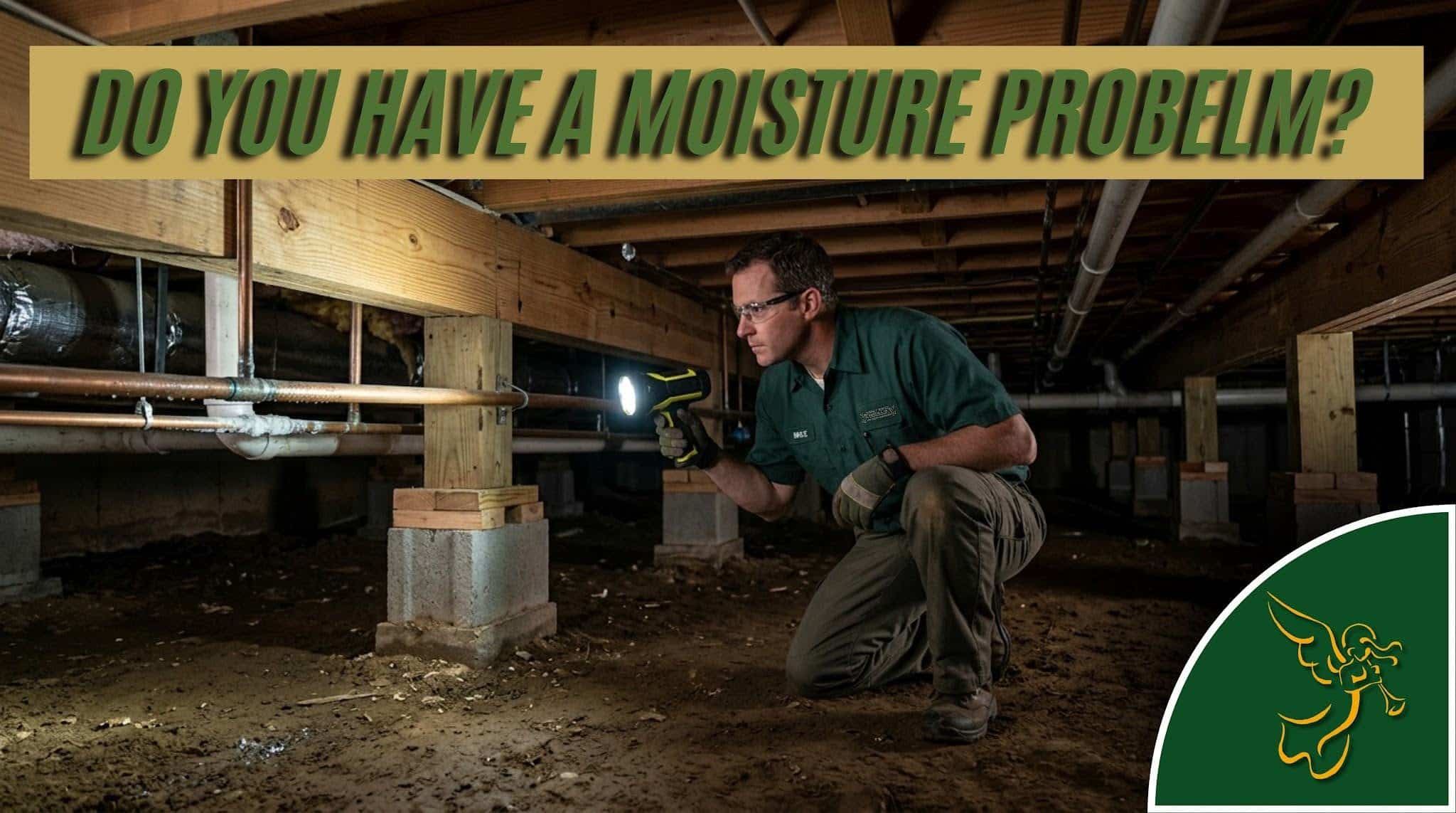
The space under your house is the easiest part of the home to ignore. You don’t see it, you rarely go down there, and as long as the floors feel solid, it’s out of sight and out of mind. But here in the Birmingham and Huntsville metros, that crawlspace is ground zero for moisture — and a damp crawlspace doesn’t stay a crawlspace problem for long.
We crawl under a lot of Alabama homes, and the moisture issues we find almost always announce themselves first with small warning signs the homeowner noticed but didn’t connect to what was happening below. So let’s connect those dots. Here’s what to watch for, while it’s still an easy fix.
Why Crawlspaces Are a Moisture Battleground in Alabama
Two things make our region tough on crawlspaces: relentless humidity and a lot of older, vented crawlspaces. The old idea was that vents would let a crawlspace "breathe," but in a humid climate, they often do the opposite — they invite warm, moisture-heavy outside air into a cool space below your house, where it condenses on every surface it touches.
Here’s the part most homeowners don’t realize: because of a natural process called the stack effect, air doesn’t stay down there. As warm air rises and escapes the top of your home, it pulls replacement air up from the crawlspace. A large share of the air you breathe in your living room — often cited as up to half of it — started its journey under your house. Damp, musty crawlspace air becomes damp, musty house air.
The Warning Signs to Watch For
| Warning Sign | What It Looks or Feels Like | Why It Happens |
|---|---|---|
| Musty, Earthy Smells | A damp, "old basement" odor in ground-floor rooms. | Odors from below the floor migrate upward via the stack effect. |
| Sticky Indoor Air | High humidity inside, even when the AC is running. | A wet crawlspace feeds moisture directly into your living areas. |
| Problematic Flooring | Floors that feel soft, springy, or have cupping edges. | Wood subfloors and joists absorb water and lose structural integrity. |
| Visible Corrosion | Sweating pipes, rusty duct connections, or metal rust. | High humidity causes condensation and oxidation on metal surfaces. |
| Pest Uptick | Increased activity from roaches, termites, and other bugs. | Many pests are naturally drawn to moisture and damp wood. |
| Health Issues | Persistent allergies, congestion, or respiratory irritation. | Circulating crawlspace air can carry mold spores and dust upstairs. | Rising Utility Costs | Energy bills that keep creeping up monthly. | Damp air is more difficult and expensive to heat and cool. |
Visible Red Flags: If you look beneath your home, watch for standing water, mud, sagging insulation, or a white, chalky residue on foundation walls.
Why It Pays to Catch This Early
Moisture problems only move in one direction if you ignore them. Given the right damp conditions, mold can begin growing in a day or two — and once it takes hold, you’re dealing with remediation, possible wood rot, and even structural repairs to joists and subflooring.
Addressing the moisture while it’s just a smell and a little condensation is a far smaller, more affordable project than fixing advanced structural damage. This is about protecting two things at once: the health of the air your family breathes and the structure holding your house up.
What to Do About It
If any of these signs sound familiar, the next step is a proper crawlspace inspection. Depending on the findings, the fix can range from improved drainage and a vapor barrier to full encapsulation and conditioning of the space.
The only way to know which solution your home needs is an inspection with the right tools to measure exact moisture levels.
Protect your home today. Call Perfect Service at 205-206-6091 for a crawlspace evaluation. We’ll provide an honest assessment and lay out your options before a moisture problem turns into a mold problem.
Common Questions About Crawlspace Moisture
A little seasonal dampness isn’t unusual, but persistent humidity, standing water, or musty smells are signs the space is staying wet enough to cause long-term trouble.
Yes. Because of the stack effect, a significant portion of your indoor air is drawn from below. A damp crawlspace directly impacts the air quality in your living rooms.
Not always. Solutions range from drainage and vapor barriers to full dehumidification. The right answer depends on the specific cause of moisture in your home.
You can look from the access point, but deep inspections involve hazards and require specialized meters to read hidden moisture in the wood. A professional catches what a quick glance misses.
In warm, damp conditions, mold can begin developing within 24 to 48 hours. Acting on early warning signs is critical to avoiding mold growth.